 100% Accuracy
 ESL + LCD Digital Signage
OEM & ODM Customization
Hardware, software and integration handled by separate vendors
Inconsistent display formats and branding across projects
More manual coordination for deployment, updates and support
Define display, branding, mounting and integration requirements in one project
Connect full-color displays with cloud-managed content and retail data
Standardize digital signage deployment across stores, regions and customer projects

Reduce coordination across separate hardware, software and content-management suppliers.

Create a more consistent display identity across stores, screens and deployment formats.

Choose from compact, double-sided, stretched and large-format LCD display configurations.

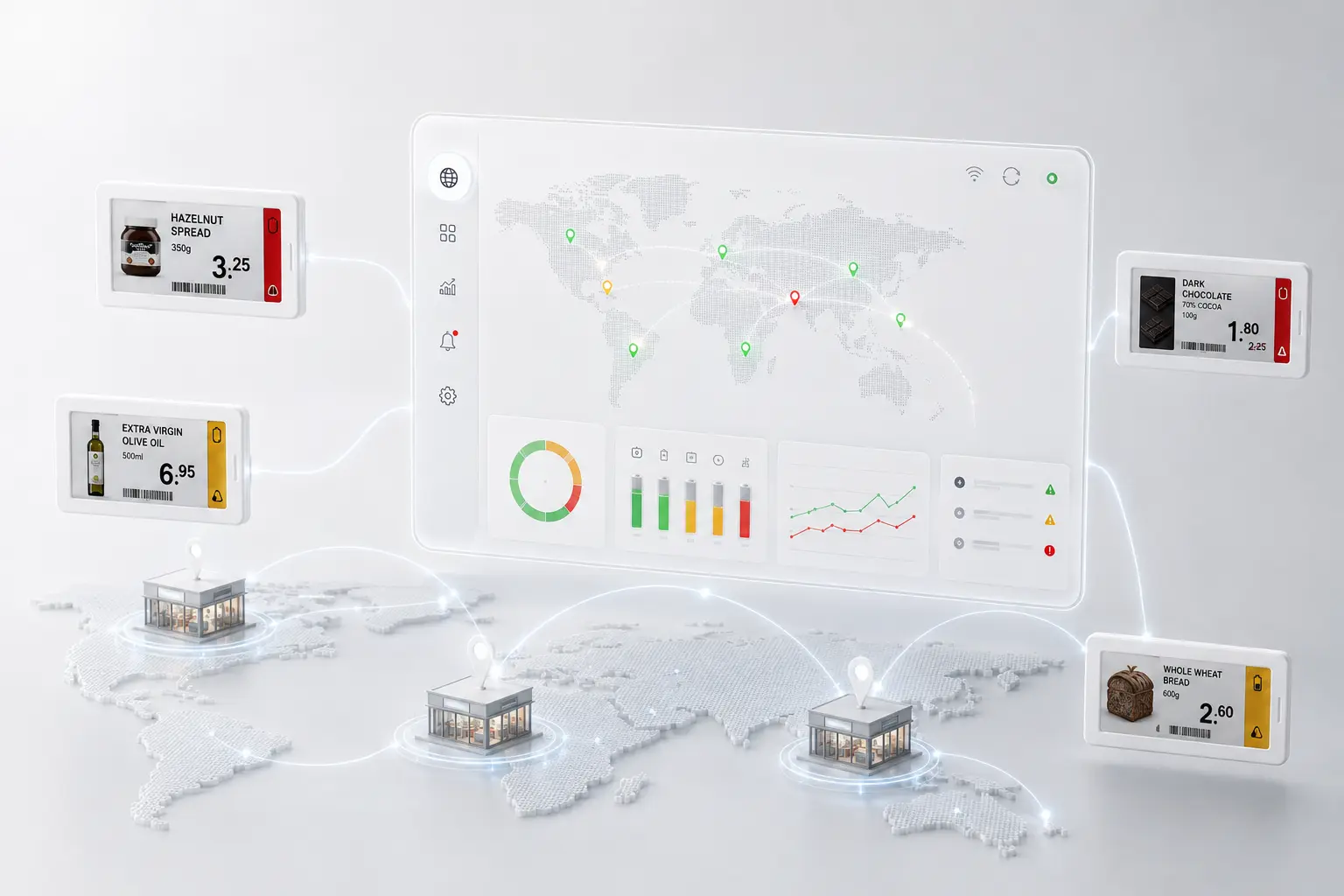
Manage digital content and connected displays remotely through a cloud-based environment.
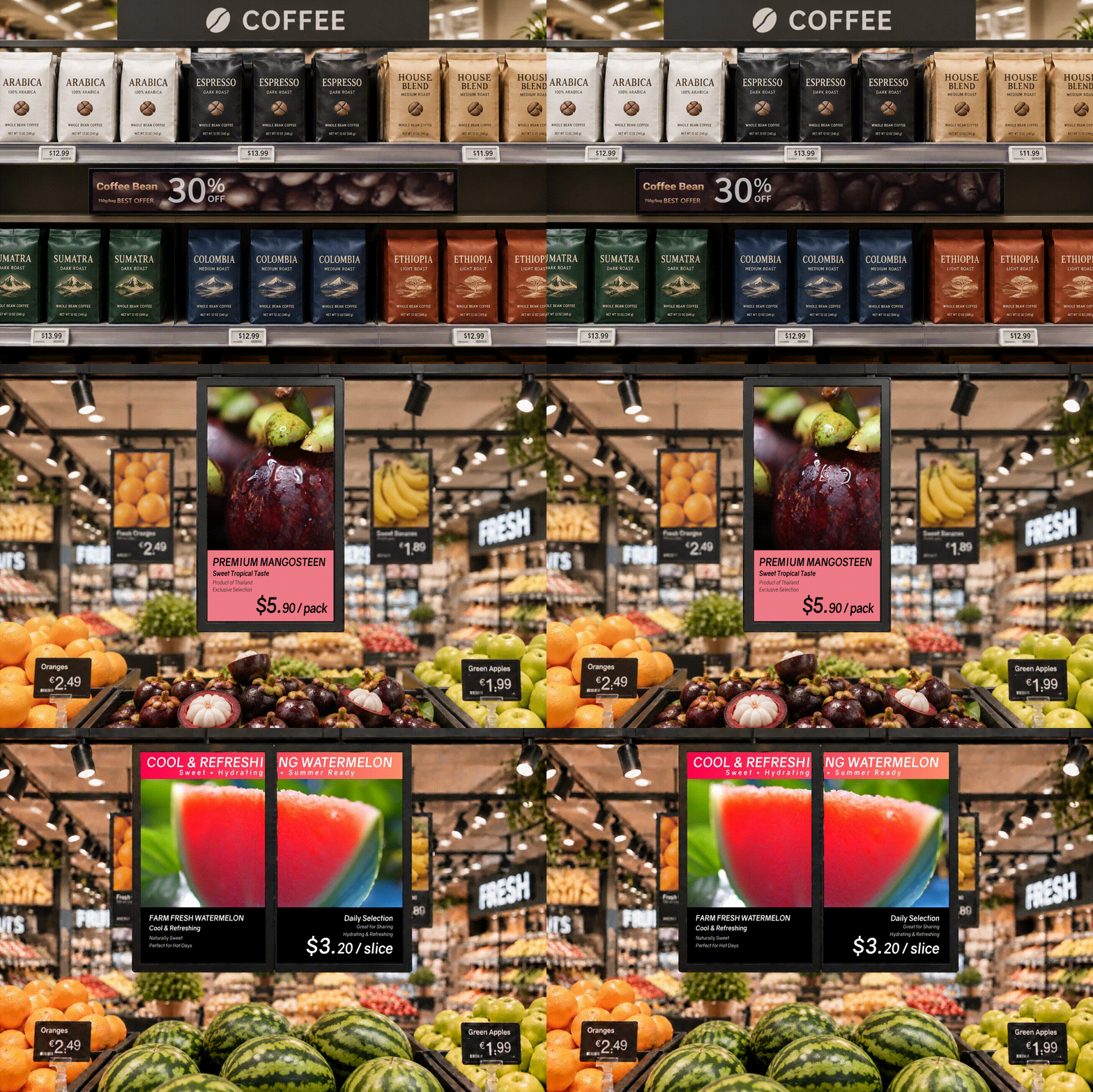
Different moments in the shopper journey require different types of displays.
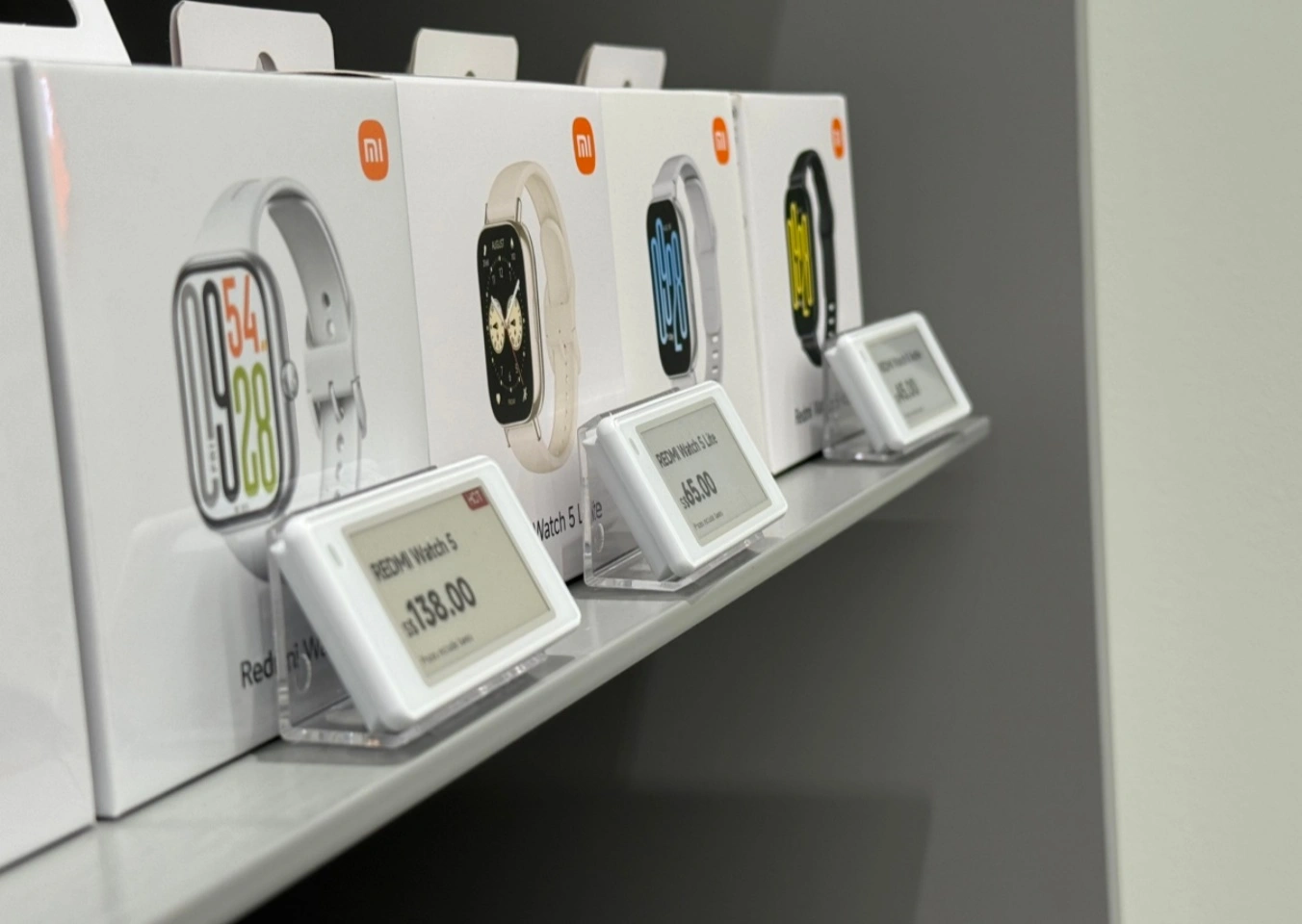
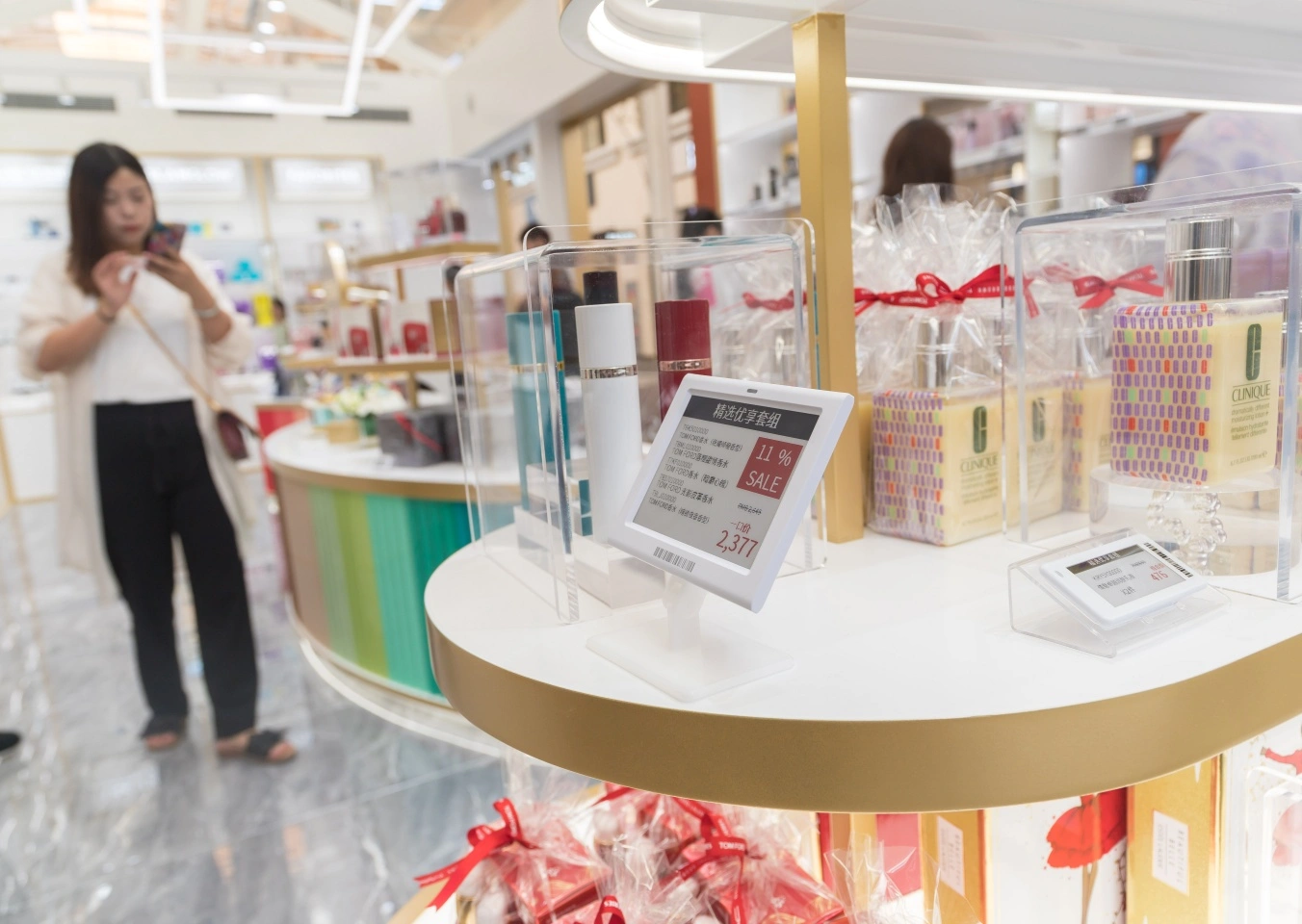
Rather than treating electronic shelf labels and digital signage as separate technologies, ZKONG brings them together as complementary components of a connected in-store communication infrastructure.

Deploy compact shelf displays, double-sided LCDs, stretched screens and large-format signage according to placement needs.

Distribute images, videos, product information and promotional content through connected digital screens.

Connect signage content with pricing, inventory or other retail data workflows where project integration requires it.


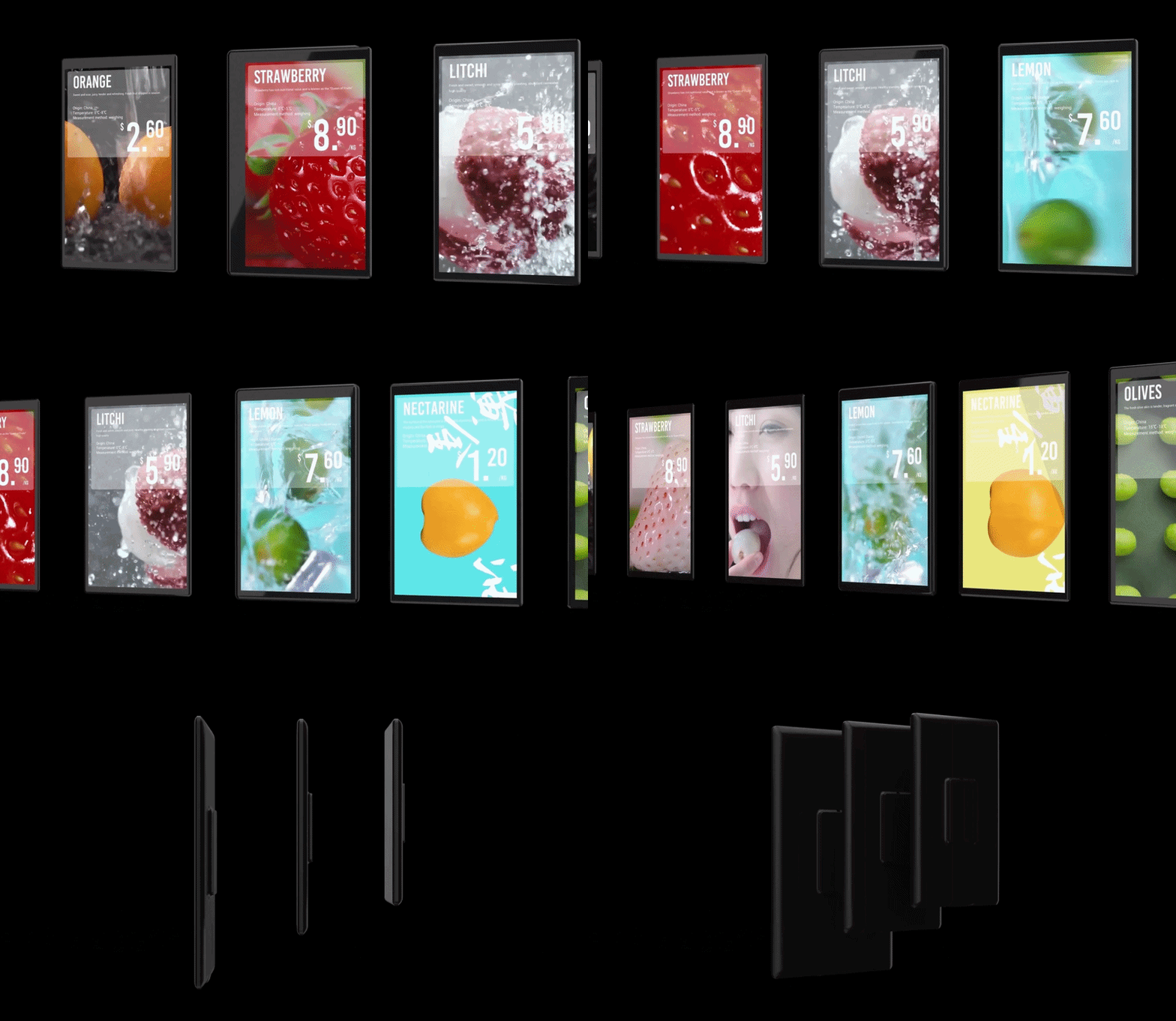
Customize hardware finishes and branding to match your identity.
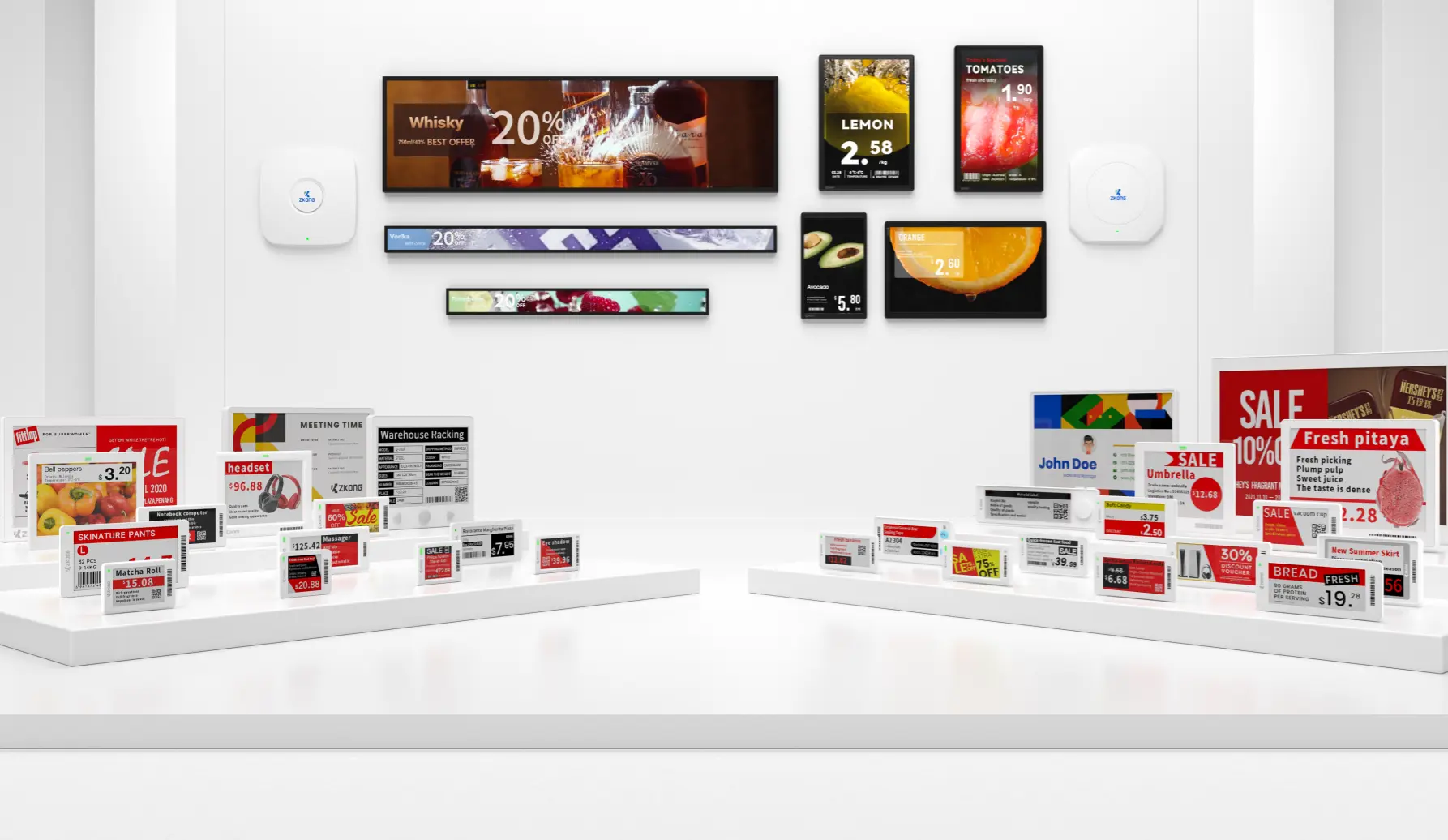
Adapt screen size, orientation and installation to different projects.

Connect displays with CMS, APIs and existing retail systems.
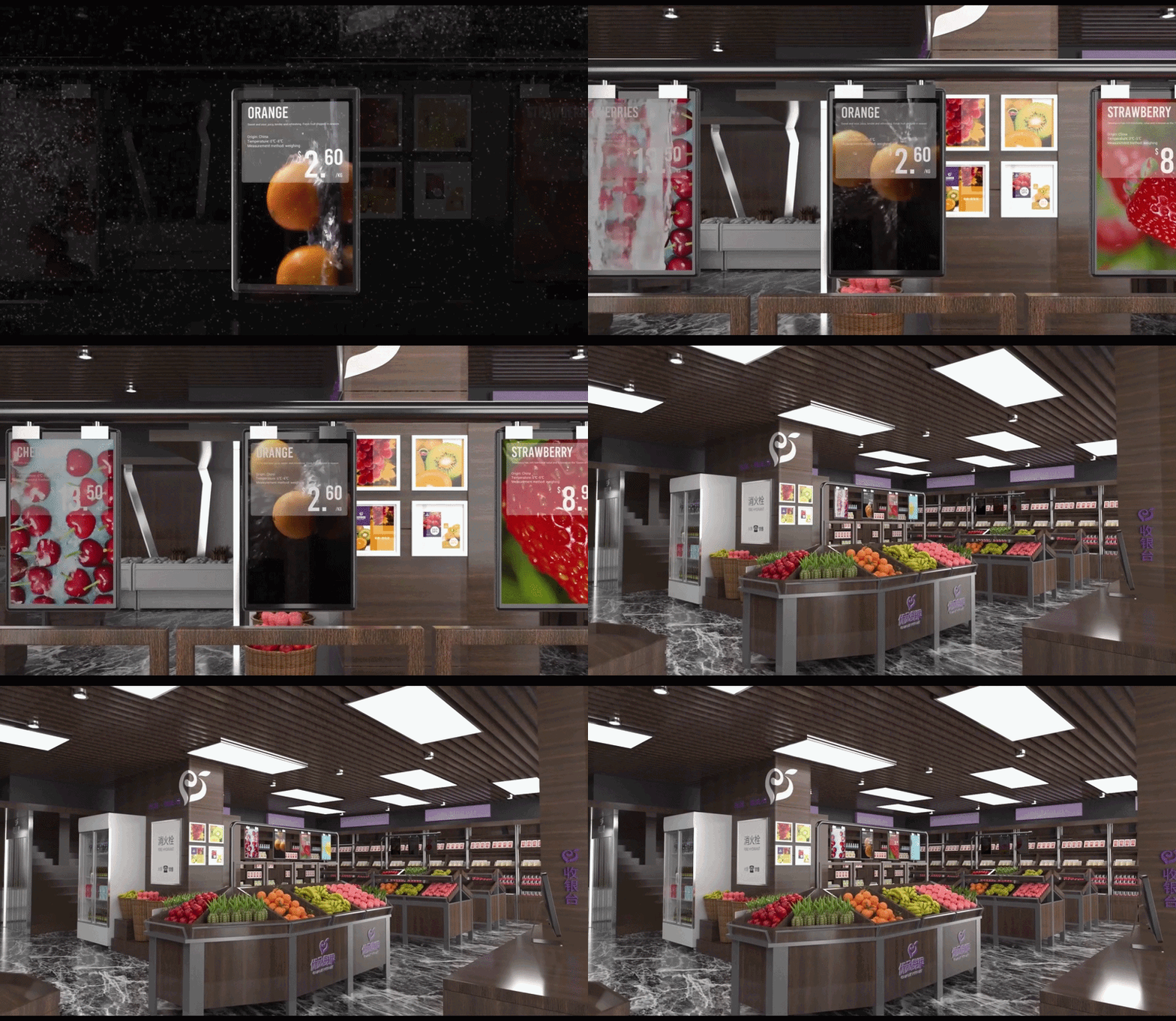
Deliver branded promotions and dynamic content through customized displays.

Define display format, installation environment, branding, content and retail-system integration requirements for the target project.

Align display hardware, content management and integration workflows with the approved project architecture and deployment requirements.

Roll out a more standardized display and content environment across stores, regions or downstream customer projects.
OEM digital signage should remain manageable after installation. ZKONG cloud-managed displays allow retailers and solution partners to update customer-facing content remotely while maintaining greater consistency across multiple screens and locations.



Build signage projects around display technology designed for continuous commercial use, remote content management and different in-store installation environments.


Standardize display formats and customer-facing content across retail projects while keeping screen messaging remotely manageable. A connected hardware and cloud architecture helps OEM partners scale without turning every new deployment into a separate technology stack.
Connect project requirements, configurable hardware, cloud management and commercial displays in one deployment architecture.
Define target display formats, store environments, brand requirements, mounting methods, content workflows and system-integration needs before deployment.
Configure approved display formats, branding, mounting accessories and project-specific hardware options around the visual and operational requirements of the deployment.
Connect digital content, retail data and remote screen management through ZKONG cloud software, Wi-Fi connectivity and project-specific integration workflows.
Combine ESLs and LCD digital signage across shelf-edge, aisle, promotional and high-traffic zones to deliver connected in-store retail media, from product-level messaging to high-impact visual campaigns.
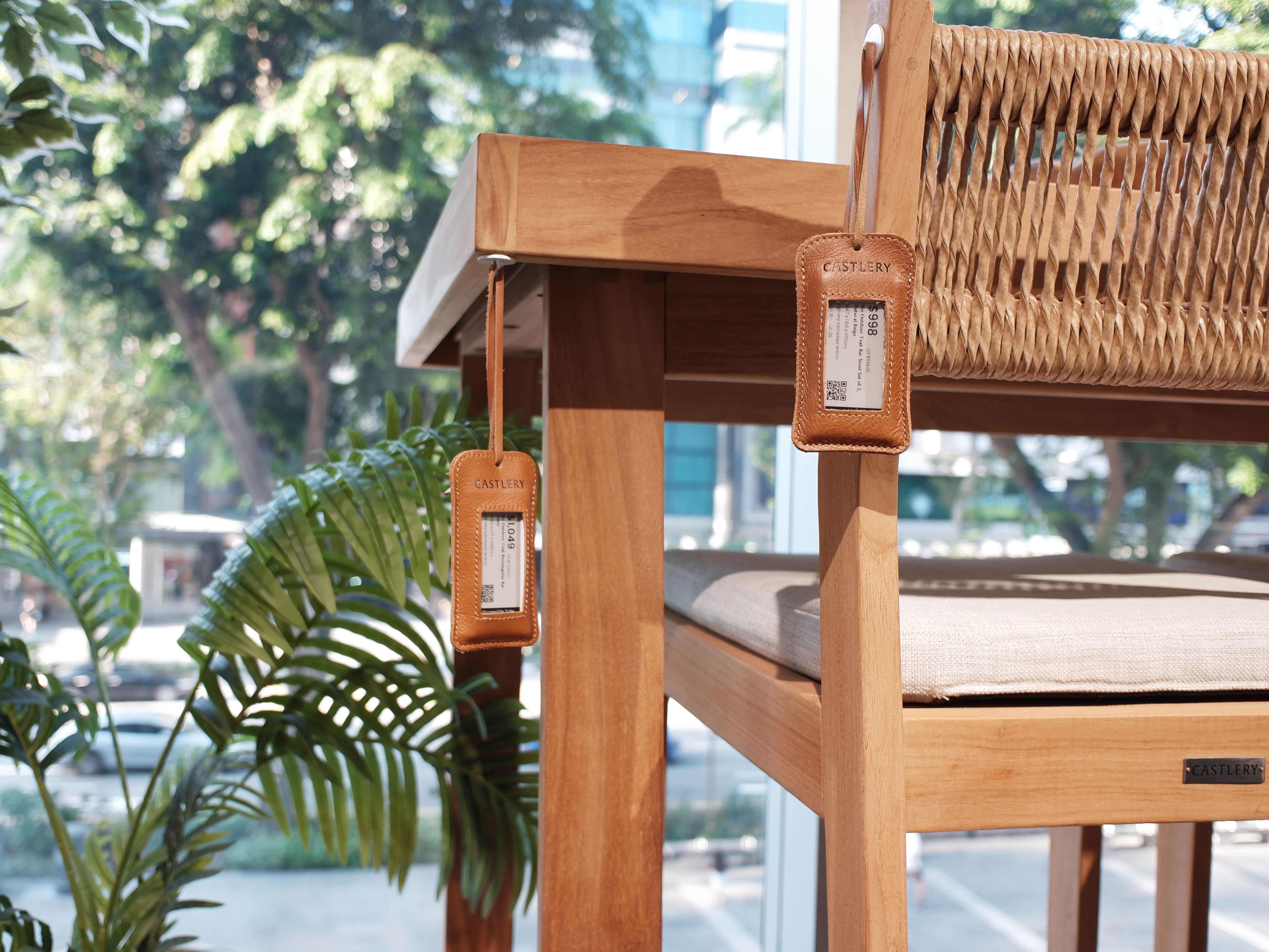
As a digital-first furniture brand expanding across global markets, Castlery introduced ZKONG digital display solutions to enhance showroom aesthetics and create a more consistent, technology-driven shopping experience. The customized solution helped strengthen brand presentation, improve product communication and create a more engaging in-store experience for customers.
Digital Retail Experience
Brand Communication
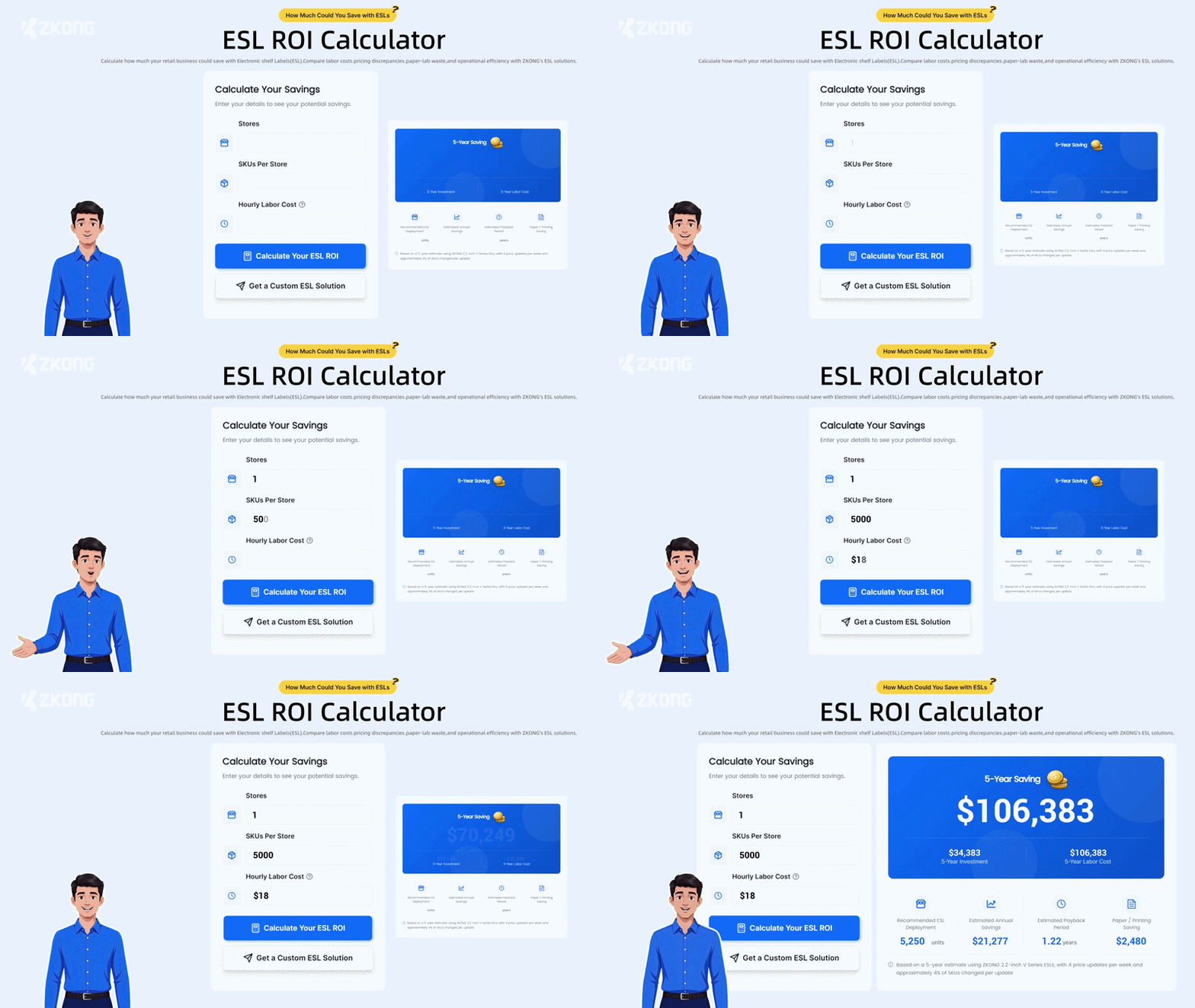
Define your initial project scope and help our team recommend the right display, content and integration architecture.
Match screen format and placement with the customer journey, store environment and content type.
Create a repeatable hardware and content architecture for multi-store or downstream customer deployment.
Customization can cover device appearance, branded elements, display size and format, installation accessories, content templates, software interfaces, system integration, and device combinations. Available options depend on the selected product and project requirements.
ZKONG's cloud-based architecture is designed to support centralized management of smart retail hardware, including electronic shelf labels and digital signage. Integration requirements can be configured according to the retailer's existing systems and deployment environment.
The two display technologies serve different but complementary purposes. LCD displays are better suited to dynamic, visually rich campaigns, while ESLs provide persistent product-level communication at the shelf edge. Together they allow retailers to communicate across more stages of the in-store shopper journey.
ZKONG provides compact Sparkle LCD displays and larger Legendary digital signage formats for shelf-edge, aisle, promotional and other commercial display applications.
ZKONG’s existing digital signage portfolio includes multiple models ranging from compact 10.1-inch LCD displays to large-format 65-inch displays. Available specifications vary by product series.
Yes. ZKONG digital signage supports full-color multimedia content, including text, images and video, with supported formats depending on the selected model.
Yes. Selected Sparkle LCD models support single- or double-sided configurations. The appropriate option depends on installation and visibility requirements.
Yes. ZKONG provides cloud-based content-management capabilities for compatible digital signage, supporting remote content updates and centralized management.
ZKONG signage can support connected workflows with retail pricing, inventory and other business systems. The exact integration architecture depends on the customer’s existing systems and project requirements.
ZKONG signage can support connected workflows with retail pricing, inventory and other business systems. The exact integration architecture depends on the customer’s existing systems and project requirements.
Provide your target screen type and size, expected quantity, installation environment, branding requirements, content format, software or integration requirements, target market and expected project timeline.



 Electronic Shelf Labels
  Digital Signage
  Cloud Platform
  ESL Accessory
  中文
中文 English
 日本語
日本語 français
 Deutsch