

The retail industry is experiencing a profound transformation. Rising customer expectations, increasing operational costs, labor shortages, and growing competition have forced retailers to rethink how stores are managed and how shoppers are engaged. Traditional retail operations, which often rely on manual pricing updates, disconnected systems, and paper-based processes, are no longer sufficient for businesses that want to remain competitive in a rapidly changing marketplace.
Today, retail leaders are investing heavily in digital technologies that connect physical stores with real-time data, centralized management systems, and intelligent customer engagement tools. According to Deloitte, retailers that successfully integrate digital capabilities into their store operations are better positioned to improve efficiency, strengthen customer loyalty, and drive long-term profitability. As a result, retail digital transformation has become one of the most important strategic initiatives for modern retailers worldwide.
But what exactly are the benefits of digital transformation in retail? More importantly, how can technologies such as Electronic Shelf Labels (ESLs), Digital Signage, cloud-based retail platforms, and smart analytics help retailers improve operational performance while creating better shopping experiences?
Let's explore how digital technology in retail stores is reshaping the industry and why more retailers are embracing the digitalization of retail processes.
Retail digital transformation refers to the integration of digital technologies into every aspect of retail operations, from pricing and inventory management to marketing, customer engagement, and store execution. It is not simply about adopting new tools; it is about creating a connected ecosystem where data flows seamlessly across systems, allowing retailers to make faster and smarter decisions.
Modern retail technology solutions are helping businesses move away from isolated workflows and toward centralized, cloud-driven operations. Instead of manually updating prices, replacing printed promotional materials, or relying on delayed inventory reports, retailers can now manage multiple stores in real time through a single platform.
This transformation is particularly important as consumer behavior continues to evolve. Shoppers expect accurate pricing, consistent product information, personalized promotions, and seamless experiences across both physical and digital channels. Retailers that fail to meet these expectations risk losing customers to competitors that have already embraced digital innovation.
One of the most immediate and measurable benefits of retail digital transformation is improved operational efficiency.
Many retailers still dedicate a significant amount of employee time to repetitive tasks such as replacing paper price tags, checking shelf compliance, updating promotional materials, and manually coordinating marketing campaigns across multiple locations. While these activities are necessary, they consume valuable labor resources that could otherwise be focused on customer service and revenue-generating activities.
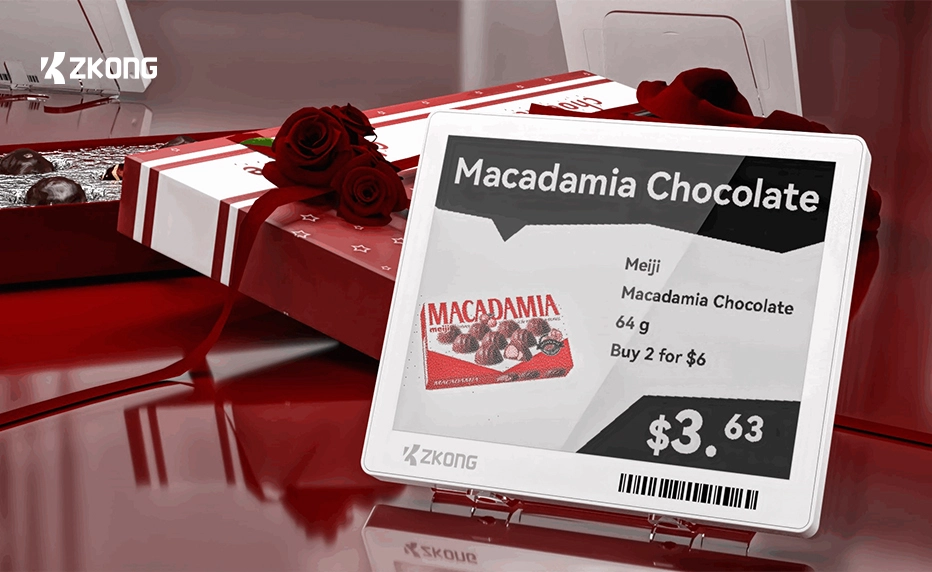
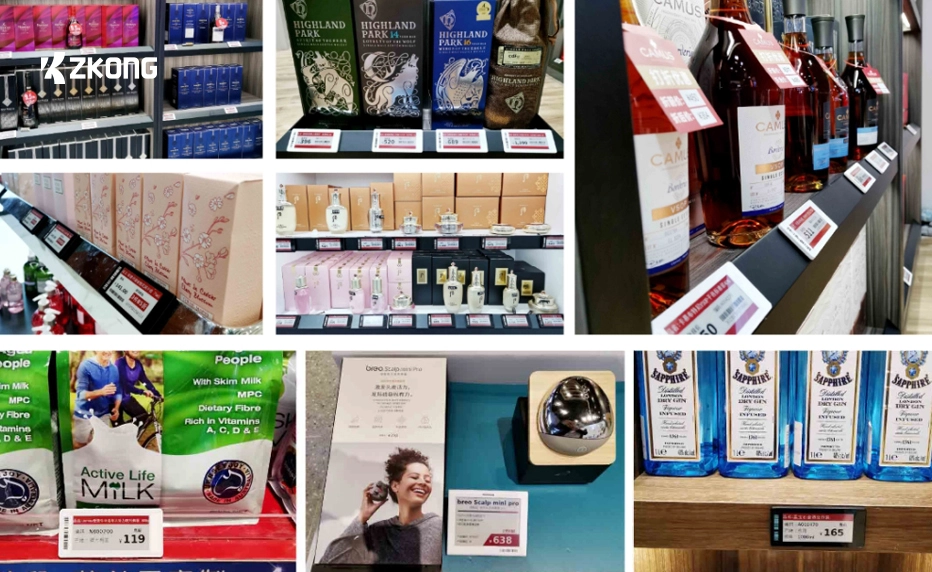
Electronic Shelf Labels have emerged as one of the most effective solutions for reducing operational complexity. By replacing traditional paper labels with cloud-connected digital displays, retailers can instantly update product prices, promotions, and information across thousands of SKUs and multiple store locations simultaneously.
For example, ZKONG's Electronic Shelf Label solution allows retailers to centrally manage pricing and product information through a cloud platform, eliminating the need for manual updates while improving accuracy and consistency. This level of automation not only reduces labor costs but also enables retailers to respond much faster to market changes.
Pricing accuracy has become increasingly important in today's competitive retail environment. Consumers expect consistency across shelves, checkout systems, mobile applications, and online stores. Even minor pricing discrepancies can negatively impact customer trust and create operational challenges.
Digital transformation enables retailers to synchronize pricing across all channels in real time. Instead of relying on employees to manually replace thousands of labels during promotional periods, pricing updates can be executed instantly through a centralized management platform.
This capability is particularly valuable during seasonal campaigns, flash sales, and dynamic pricing initiatives where speed and accuracy directly influence profitability.
A practical example can be seen in ZKONG's collaboration with retail customers such as Fútbol Factory, where digital shelf technology helped improve pricing consistency and streamline store operations. By leveraging cloud-connected ESLs, retailers gain greater flexibility while ensuring that promotions are executed accurately and efficiently.
While operational improvements are important, retail transformation is ultimately driven by the need to deliver better customer experiences.
Today's shoppers expect stores to provide the same level of convenience and personalization they experience online. They want easy access to product information, timely promotions, and engaging shopping environments that help them make confident purchasing decisions.
This is where digital technology in retail stores plays a critical role.
Modern Digital Signage solutions allow retailers to transform traditional shelves and store environments into interactive communication channels. Instead of relying solely on static posters or printed materials, retailers can deliver dynamic content that captures attention and provides valuable information at the point of purchase.
Whether highlighting a new product launch, promoting limited-time offers, or showcasing product benefits, digital displays create a more engaging shopping experience while helping customers make informed decisions.
One of the less discussed but highly valuable aspects of retail digital transformation is its impact on route-to-market efficiency.
Retailers and consumer goods manufacturers often face challenges related to inventory visibility, product availability, and replenishment accuracy. Without real-time data, supply chain inefficiencies can lead to stockouts, overstock situations, and lost sales opportunities.
Connected retail technology solutions help address these challenges by providing accurate, real-time information about inventory movement and store performance. This visibility enables retailers to make more informed replenishment decisions and ensures that products are available where and when customers need them.
In emerging markets, where retail networks are often expanding rapidly, these capabilities become even more important. Retailers can manage multiple locations through centralized platforms, reducing complexity while maintaining operational consistency across regions.
Digital transformation is not simply about automation—it is about enabling smarter business decisions.
Modern retailers generate enormous amounts of operational and customer data every day. However, data only becomes valuable when it can be translated into actionable insights.
Smart retail platforms help retailers analyze store performance, promotional effectiveness, customer engagement, and product movement patterns. These insights allow businesses to optimize pricing strategies, improve merchandising decisions, and identify opportunities for growth.
According to the World Economic Forum:
"The future of retail belongs to organizations that can convert real-time data into actionable business intelligence."
This shift toward data-driven retail management is helping businesses improve profitability while creating more personalized customer experiences.
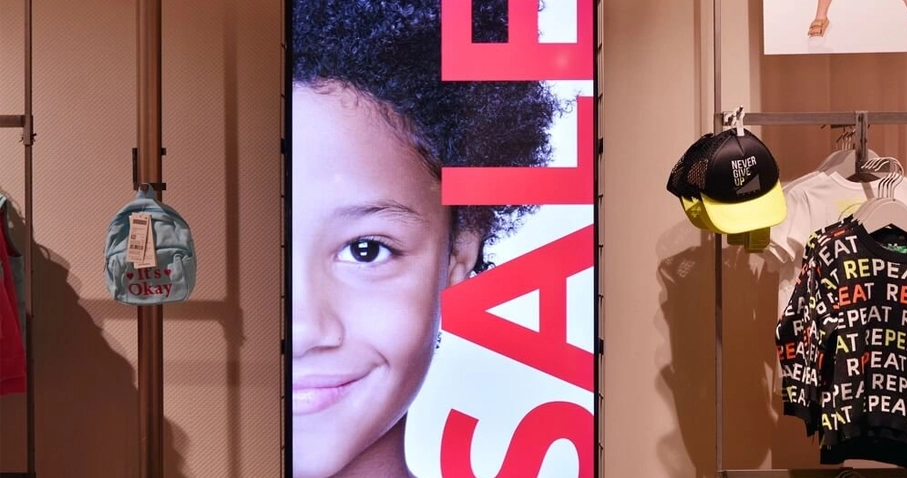
Marketing is another area where digital transformation delivers significant advantages.
Traditional retail marketing often involves lengthy planning cycles, printed promotional materials, and manual implementation processes. These methods can be costly, time-consuming, and difficult to scale across multiple locations.
Digital retail technologies create a more agile marketing environment by enabling retailers to launch and manage campaigns in real time.
When Digital Signage and Electronic Shelf Labels operate within the same ecosystem, retailers can synchronize promotional messaging across the entire store. A price change displayed on an ESL can be instantly supported by digital advertising content displayed on nearby screens, creating a consistent and compelling customer experience.
ZKONG's Digital Signage solutions, including the Sparkle Digital Signage series and Legendary Digital Advertising Boards, help retailers deliver targeted promotional content while maintaining centralized control over campaign execution.
As retailers expand into new regions and markets, operational complexity increases dramatically. Managing pricing, promotions, inventory, and compliance across dozens—or even hundreds—of locations can quickly become overwhelming when relying on traditional processes.
Digital transformation provides the infrastructure needed to scale efficiently.
Cloud-based management platforms allow retailers to maintain consistent operations across all locations while adapting to local market conditions when necessary. Store managers gain greater visibility, headquarters gains better control, and customers benefit from more consistent shopping experiences.
This capability is particularly valuable for retailers expanding into emerging markets, where maintaining operational standards across geographically dispersed locations can be challenging.
Perhaps the most important benefit of retail digital transformation is resilience.
The retail industry continues to face disruption from changing consumer preferences, evolving technologies, supply chain challenges, and economic uncertainty. Retailers that rely heavily on manual processes often struggle to adapt quickly when conditions change.
By contrast, digitally connected retailers can respond faster, make better decisions, and implement changes across their entire organization with minimal disruption.
This is why many leading retailers are investing in technologies such as Electronic Shelf Labels, Digital Signage, IoT-enabled devices, cloud management platforms, and smart analytics. Together, these technologies create a foundation for long-term adaptability and sustainable growth.
Several retailers featured within ZKONG's Digital Retail solutions portfolio have already demonstrated how digital transformation can improve operational efficiency, enhance customer experiences, and support business growth across diverse retail environments.
Retail digital transformation is no longer a future trend—it is a present-day business necessity.
From improving operational efficiency and pricing accuracy to enhancing customer experiences and strengthening marketing performance, digital technologies are transforming every aspect of retail operations. Retailers that embrace the digitalization of retail processes gain the agility, visibility, and intelligence needed to compete in an increasingly complex market.
The most successful retailers are no longer asking whether digital transformation is worth the investment. Instead, they are focusing on how quickly they can implement the right retail technology solutions to create smarter stores, stronger customer relationships, and more sustainable growth.
As technologies such as Electronic Shelf Labels, Digital Signage, cloud-based retail platforms, and intelligent analytics continue to evolve, the opportunities for retail innovation will only continue to expand. The retailers that act today will be the ones best positioned to lead the future of retail tomorrow.

 Electronic Shelf Labels
 Digital Signage
 Cloud Platform
 ESL Accessory
 中文
中文 English
 日本語
日本語 français
 Deutsch