
Retail is entering a new era where digital intelligence, automation, and real-time customer engagement are becoming essential competitive advantages. While e-commerce continues to evolve, physical stores remain a critical touchpoint for shoppers. According to the National Retail Federation (NRF), retail sales are expected to grow by 4.4% in 2026, reflecting continued consumer demand and ongoing investment in retail innovation.
At the same time, retailers are facing increasing pressure to improve operational efficiency, deliver personalized experiences, and respond instantly to changing market conditions. Technologies such as Artificial Intelligence (AI), Electronic Shelf Labels (ESLs), and in-store digital signage are no longer future concepts—they are becoming the foundation of modern retail operations.
As retailers prepare for the next phase of transformation, here are five key trends shaping the future of shopping in 2026.
Traditional paper price tags are increasingly unable to keep up with modern retail demands.
Today's retailers frequently adjust pricing based on:
Inventory levels
Promotional campaigns
Seasonal events
Competitor pricing
Regional market conditions
Manual label replacement is time-consuming, labor-intensive, and prone to errors.
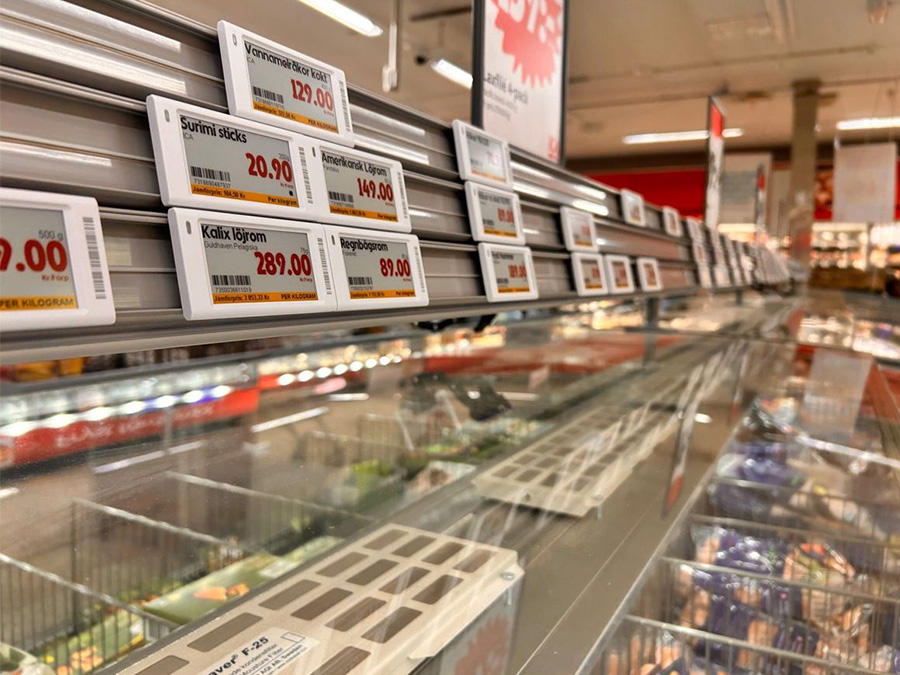
Electronic Shelf Labels (ESLs) are rapidly becoming a strategic tool that allows retailers to update thousands of prices across multiple stores in seconds.
Research presented at NRF 2026 highlighted the growing importance of real-time retail decision-making driven by data and automation. Retailers are increasingly investing in technologies that enable immediate operational adjustments and more responsive customer experiences.
With cloud-connected ESLs, retailers can:
Ensure pricing accuracy
Eliminate manual price updates
Launch synchronized promotions
Reduce labor costs
Improve compliance
Spanish sports retailer Fútbol Factory deployed ZKONG Electronic Shelf Labels to streamline pricing management across its stores. The implementation improved pricing accuracy, reduced manual workload, and created a more efficient shopping environment for customers.
For years, personalization has been associated primarily with online shopping.
In 2026, AI is bringing the same level of personalization into brick-and-mortar retail environments.
At NRF 2026, AI was consistently identified as one of the most transformative technologies reshaping retail operations and customer experiences. Retailers are increasingly deploying AI to analyze shopper behavior, optimize merchandising strategies, and deliver personalized recommendations.
Modern retail stores can now combine:
Purchase history
Loyalty data
Traffic analytics
Inventory availability
Promotion performance
to deliver highly targeted experiences.
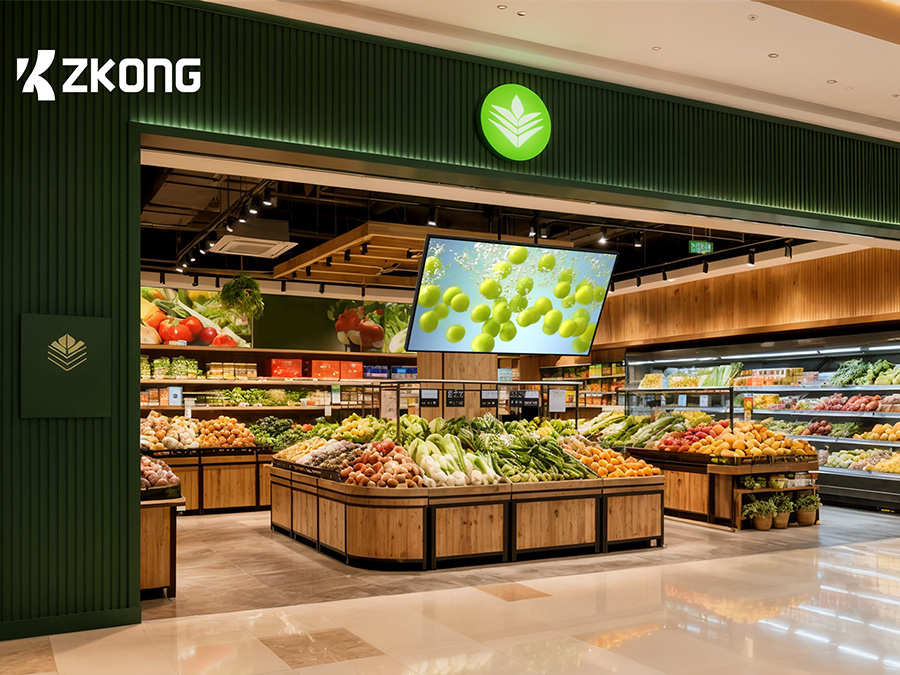
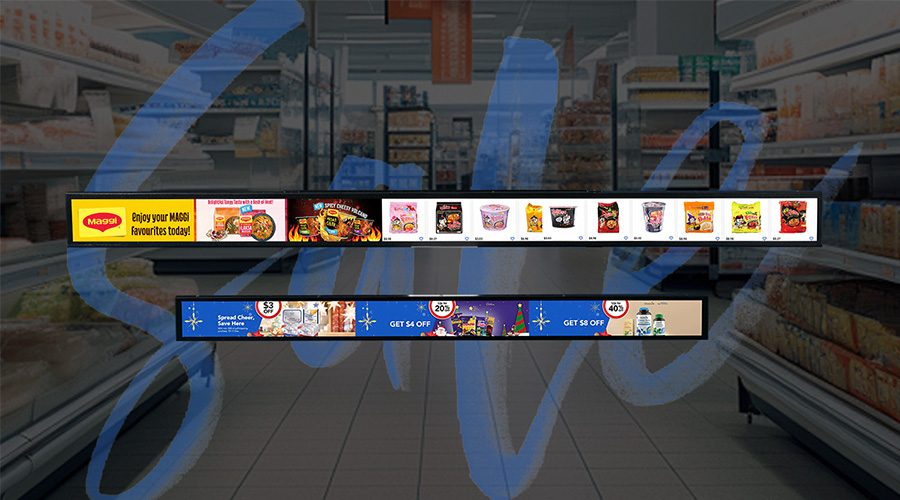
When integrated with digital shelf displays and digital signage, retailers can dynamically present relevant product information and promotional content in real time.
“AI is no longer framed as an experiment or future promise. Retailers are actively deploying AI across stores, warehouses, and supply chains to drive real-time decision-making.”
— NRF 2026 Retail Insights
Through its cloud-based IoT retail platform, ZKONG enables retailers to synchronize pricing, promotions, and product information across ESLs and digital displays, creating a more connected and personalized shopping experience.
Digital signage is evolving from a simple advertising tool into a powerful customer engagement platform.
According to retail technology experts, modern shoppers expect immersive and interactive in-store experiences that combine convenience with relevant information.
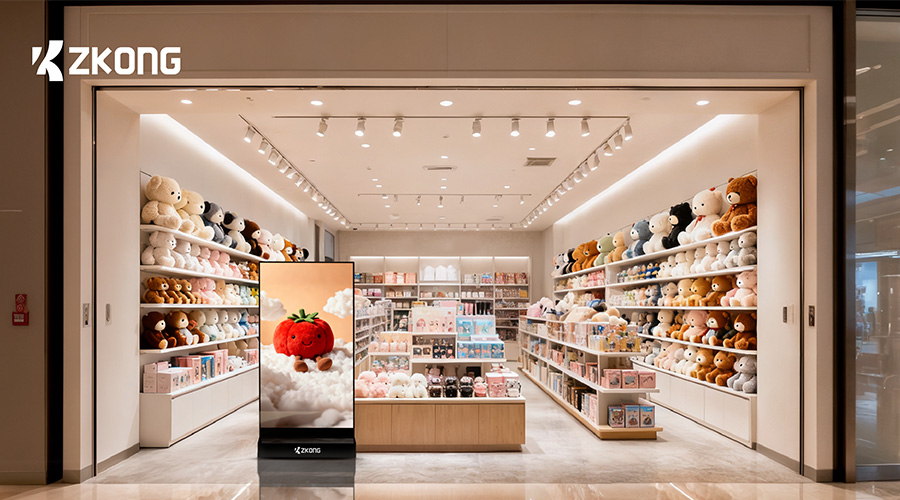
Retailers are increasingly using digital signage to:
Promote flash sales
Highlight product launches
Display inventory availability
Educate customers
Reinforce brand messaging
Unlike static signage, digital displays can adapt instantly based on:
Time of day
Audience demographics
Inventory conditions
Promotional schedules
Research indicates that dynamic visual communication significantly increases shopper attention and information retention compared with traditional static displays. Digital signage has become one of the most effective tools for influencing in-store purchasing decisions.
A leading supermarket chain implementing ZKONG’s digital retail solution reported a 20% reduction in operational costs while improving customer engagement through dynamic pricing and digital promotions.
Consumers no longer distinguish between online and offline channels.
They expect:
Consistent pricing
Real-time inventory visibility
Seamless promotions
Integrated loyalty programs
across every touchpoint.
This evolution is driving the adoption of unified commerce platforms.
Retailers increasingly rely on centralized cloud systems that connect:
Physical stores
E-commerce platforms
Warehouses
Marketing channels
into a single operational ecosystem.
Industry leaders at NRF 2026 identified unified commerce as a critical capability for future retail growth and competitiveness.
Electronic Shelf Labels serve as the final execution layer of unified commerce.
When pricing changes online, cloud-connected ESLs can instantly reflect those changes in-store, ensuring consistency across channels.
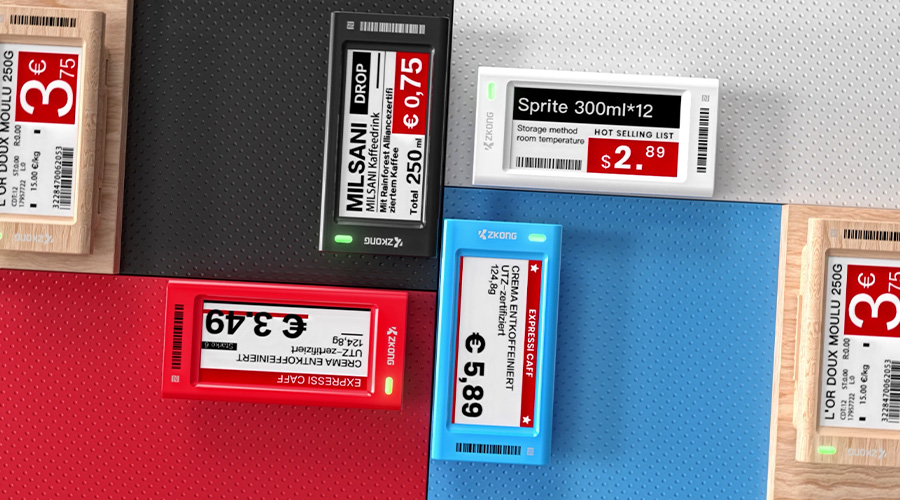
This reduces:
Pricing discrepancies
Customer frustration
Compliance risks
while improving operational agility.
Retail success increasingly depends on the ability to collect, analyze, and act on data.
The future store is not simply a place where transactions happen—it is a data-rich environment that continuously generates operational insights.
Leading retailers are tracking:
Shelf performance
Promotion effectiveness
Inventory movement
Customer engagement
Store traffic patterns
to optimize decision-making.
Studies examining shopper behavior show that understanding how customers interact with shelves and products can significantly improve merchandising strategies and conversion rates.
Cloud-connected ESLs and digital signage devices generate valuable operational data that helps retailers:
Improve inventory accuracy
Optimize promotions
Reduce waste
Increase profitability
ZKONG’s cloud architecture enables centralized management and visibility across thousands of connected devices, helping retailers make faster and more informed decisions.
The future of shopping will not be defined by a single technology.
Instead, successful retailers will combine:
AI-powered decision making
Electronic Shelf Labels
Digital Signage
Cloud Retail Platforms
Real-Time Data Analytics
to create connected, agile, and customer-centric stores.
As consumer expectations continue to evolve, retailers that invest in digital infrastructure today will be better positioned to compete tomorrow.
As Matthew Shay, President and CEO of the National Retail Federation, observed:
“Consumer spending was a steady and reliable engine of growth in 2025, even as broader economic conditions fluctuated.”
The opportunity for retailers in 2026 is clear: build smarter stores that can adapt faster, engage customers more effectively, and operate with greater efficiency.


 Electronic Shelf Labels
  Digital Signage
  Cloud Platform
  ESL Accessory
  中文
中文 English
 日本語
日本語 français
 Deutsch