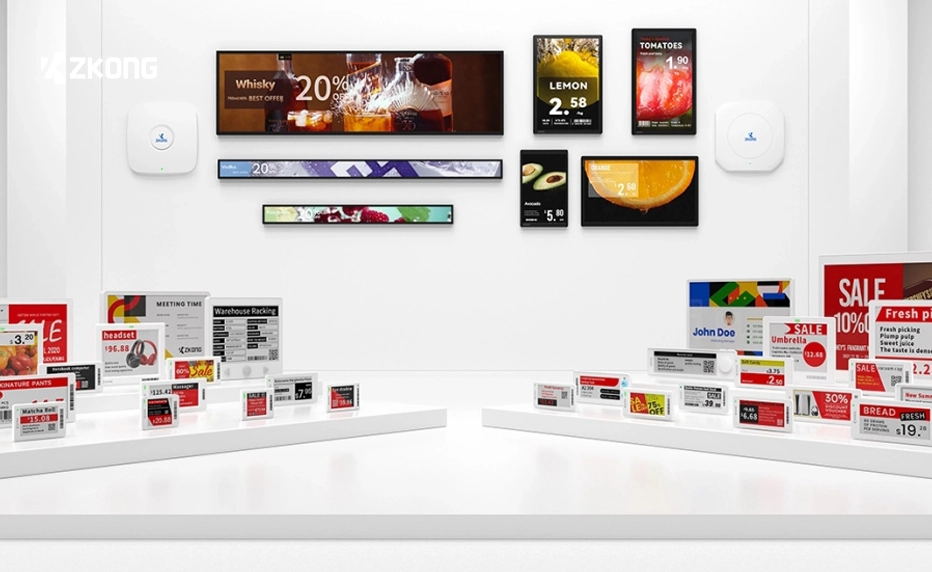

For retailers, it is generally believed that profits mainly come from customer foot traffic, followed by increasing the purchase volume of existing customers. However, in reality, due to geographical constraints, even with online sales and delivery services, the service scope remains limited. Therefore, guiding consumers to increase their spending in each shopping trip is the key, and adjusting prices and promotions at any time is an important strategy—where electronic price labels play a crucial role.
Currently, there are controversies surrounding electronic price labels. From the front-end perspective, due to their relatively high cost, electronic price labels were initially only piloted in a few businesses. In contrast, paper labels have low costs, and printers are cheap. Moreover, manual price verification is still required when using electronic price labels, making manual labeling seem more economical and rendering electronic ones seemingly ineffective.
From the perspective of the backend operations of retail stores, the necessity of electronic price labels is significant. As stores move toward unmanned operations and smart devices become widespread, it is more convenient for customers to scan codes and place orders, improving service efficiency—and the electronization of labels is an inevitable trend. Meanwhile, in the era of synchronous online and offline development, if online promotional information cannot be promptly synchronized to offline stores, customers will easily shift to online transactions. Additionally, many sellers have not fully utilized big data and artificial intelligence to analyze their businesses. However, the complete electronic system built by electronic price labels can integrate online and offline channels, achieving synchronous price change information. Their core value lies in data, which can support the analysis of product promotion effects, merchant discount strategies, etc., and facilitate precise marketing. Just as electronic payments have made the operating conditions of catering enterprises transparent to attract investment, the consumer data accumulated by electronic price labels also helps stores push information accurately and improve profitability.
With electronic price labels, merchants can conveniently adjust prices, flexibly carry out promotions, custom-edit QR codes to configure marketing activities, and accurately promote sales conversion. In warehousing and logistics, they can help staff quickly locate product positions. The electronic price label system consists of four parts: electronic price labels, terminal scanners, AP base stations, and a management platform. Electronic price labels commonly use e-ink screens, with reflectivity and contrast similar to ordinary paper. Static display does not consume power continuously, ensuring long battery life. Underlying communication protocols include private protocols in the 2.4G frequency band, Bluetooth, ZigBee, etc. For special scenarios, protocols such as LoRa are used for collective price changes. Due to the high power consumption of WiFi, electronic price labels often adopt low-power Bluetooth modules (BLE) or Zigbee for communication. Bluetooth modules also have positioning functions, suitable for warehouses and stores, and their high popularity allows staff to confirm prices through mobile terminals.
The development prospect of electronic price labels is broad. Adding QR code functions can strengthen the online-offline integration experience; after consumers scan the code to enter the company's data management system, enterprises can provide better services based on data. Although electronic price labels are small, they have long-term value.

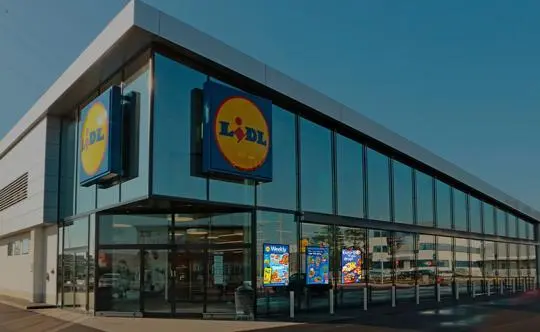
Currently, electronic price labels are widely used in various retail scenarios, including new retail physical stores, fresh food supermarkets, hypermarkets, traditional chain supermarkets, boutique stores, convenience stores, jewelry stores, cosmetics stores, home life stores, and 3C electronics stores.
Data shows that electronic price labels account for 85% of the retail sector, about 5% in the smart office sector, and have varying degrees of penetration in other fields, with an overall market share of approximately 10%. In the future, electronic price labels will further penetrate into conference rooms, warehouses, pharmacies, factories, property management, and other business formats, and continue to expand intelligent solutions in other application scenarios.
For example, in the smart medical field, e-paper display technology has been widely used in bedside cards, medicine box labels, personal blood glucose monitors, information boards, and initial diagnosis forms.
For enterprises, especially retailers, it is no longer feasible to view new technological products with traditional cost concepts. Behind these smart devices are cloud platforms, big data, artificial intelligence, and other technologies, which are completely transforming traditional production and sales links, thereby significantly improving overall efficiency.
 Electronic Shelf Labels
 Digital Signage
 Cloud Platform
 ESL Accessory
 中文
中文 English
 日本語
日本語 français
 Deutsch