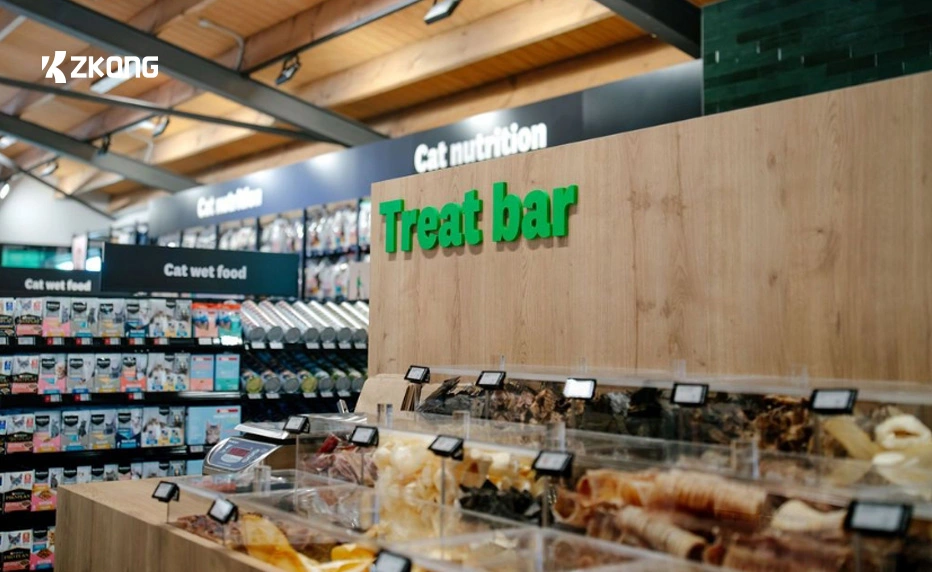

As logistics and warehousing operations continue to evolve toward digital transformation, efficiency and precision have become the core drivers of success. ESL price tags provide a new dimension to warehouse management by replacing manual labeling with dynamic, cloud-based updates. In large storage facilities where products frequently shift locations, electronic shelf label systems ensure that information remains accurate and instantly visible. Zkong, as a pioneer in IoT-based retail and logistics solutions, integrates ESL price tags seamlessly into digital warehouses, enabling streamlined workflows and reduced operational errors.
Sorting accuracy is critical in logistics centers where thousands of products pass through daily. By applying esl price tags, businesses can connect digital sorting systems directly to cloud-based data platforms. Updates to product details, SKUs, or destination codes can be reflected immediately on the tags, minimizing human error and accelerating the picking process. For industries like fresh food distribution and consumer electronics, this real-time synchronization ensures that products move through the supply chain without delays, safeguarding both quality and efficiency.
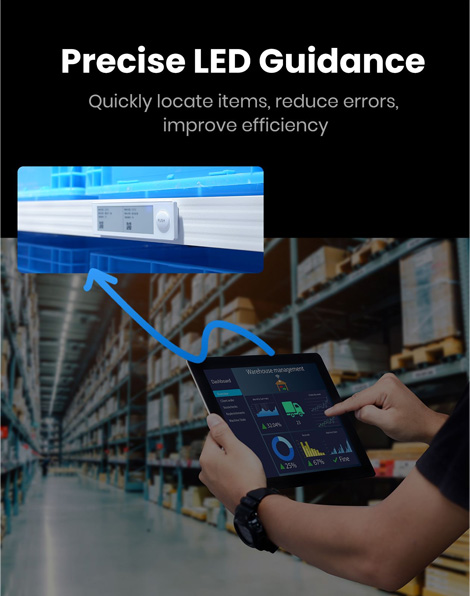
The introduction of iot warehouse solutions is not only about digitalization but also about empowering workers. Staff members can rely on instantly updated tags to locate items more quickly, reducing the time spent searching for misplaced products or cross-checking paper labels. With Zkong’s advanced digital store solutions, ESL price tags can display more than just prices—they can present barcodes, order numbers, and even routing details, transforming them into intelligent tools that guide employees through each step of the sorting process.
In the logistics industry, traditional paper labeling methods are typically slow and susceptible to errors—an issue that becomes even more pronounced when product assortments change frequently. When electronic shelf labels are compared to conventional labeling systems, their advantages become readily apparent.
In terms of the update method, traditional paper labels require manual replacement, which is time-consuming and labor-intensive, whereas ESL tags enable cloud-based instant updates, allowing information adjustments to be completed in real time without physical intervention. For accuracy, paper labels carry inherent risks of human error—such as mistakes during manual writing, pasting, or replacement—while ESL price tags achieve real-time synchronization with backend systems, ensuring that the displayed information remains consistent and reliable. When it comes to flexibility, paper labels can only present static information and cannot be modified once printed; in contrast, ESL price tags support dynamic details, including product codes, logistics routes, inventory levels, and other variable data, adapting easily to the dynamic needs of logistics operations. Regarding labor requirements, managing paper labels involves heavy workloads—such as printing, sorting, distributing, and replacing labels—which demands significant human resources. ESL price tags, however, minimize manual intervention, reducing labor costs and operational inefficiencies. In terms of sustainability, paper labels rely on large quantities of paper, leading to resource consumption and waste generation that conflicts with eco-friendly practices. ESL price tags, as digital solutions, eliminate the need for paper entirely, aligning with green logistics and environmental responsibility goals.
This comparison underscores why an increasing number of companies are adopting ESL price tags in their logistics operations. Their ability to display dynamic data not only enhances overall operational efficiency but also fulfills environmental responsibilities, solidifying their role as an integral component of smart warehouse infrastructure.
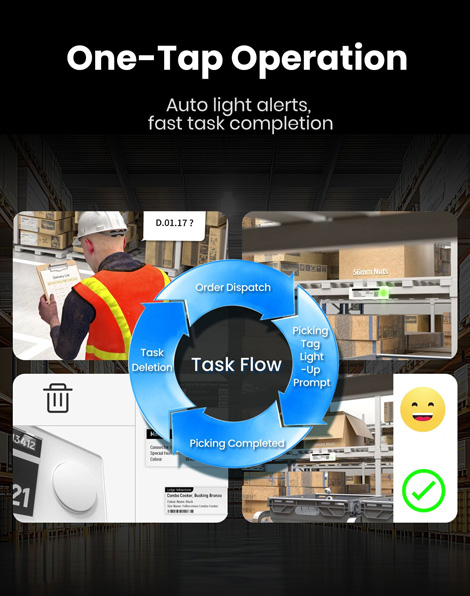
The application of esl price tags extends beyond simple product identification; it represents the foundation of a digitalized logistics ecosystem. With cloud connectivity and IoT integration, ESL solutions provided by Zkong enable logistics companies to unify operations across warehouses, distribution centers, and retail outlets. This alignment reduces costs, increases transparency, and enhances supply chain agility. As logistics networks face increasing pressure from e-commerce growth and just-in-time delivery models, ESL price tags provide the adaptability and accuracy necessary to maintain competitive advantage.
 Electronic Shelf Labels
 Digital Signage
 Cloud Platform
 ESL Accessory
 中文
中文 English
 日本語
日本語 français
 Deutsch